

Targeted plant-based ingredients
ELEVATE HYDRATION +CREATINE developed with natural ingredients
Targeted plant-based ingredients
ELEVATE HYDRATION +CREATINE developed with natural ingredients

Creatine supports muscle strength, endurance and recovery, helping you feel stronger, sharper and more energised daily, so you can train harder, think smarter and recover faster. Creatine increases physical performance and can enhance the effect of resistance training on muscle strength in adults over the age of 55. (Based on consuming 3g daily combined with regular resistance training).
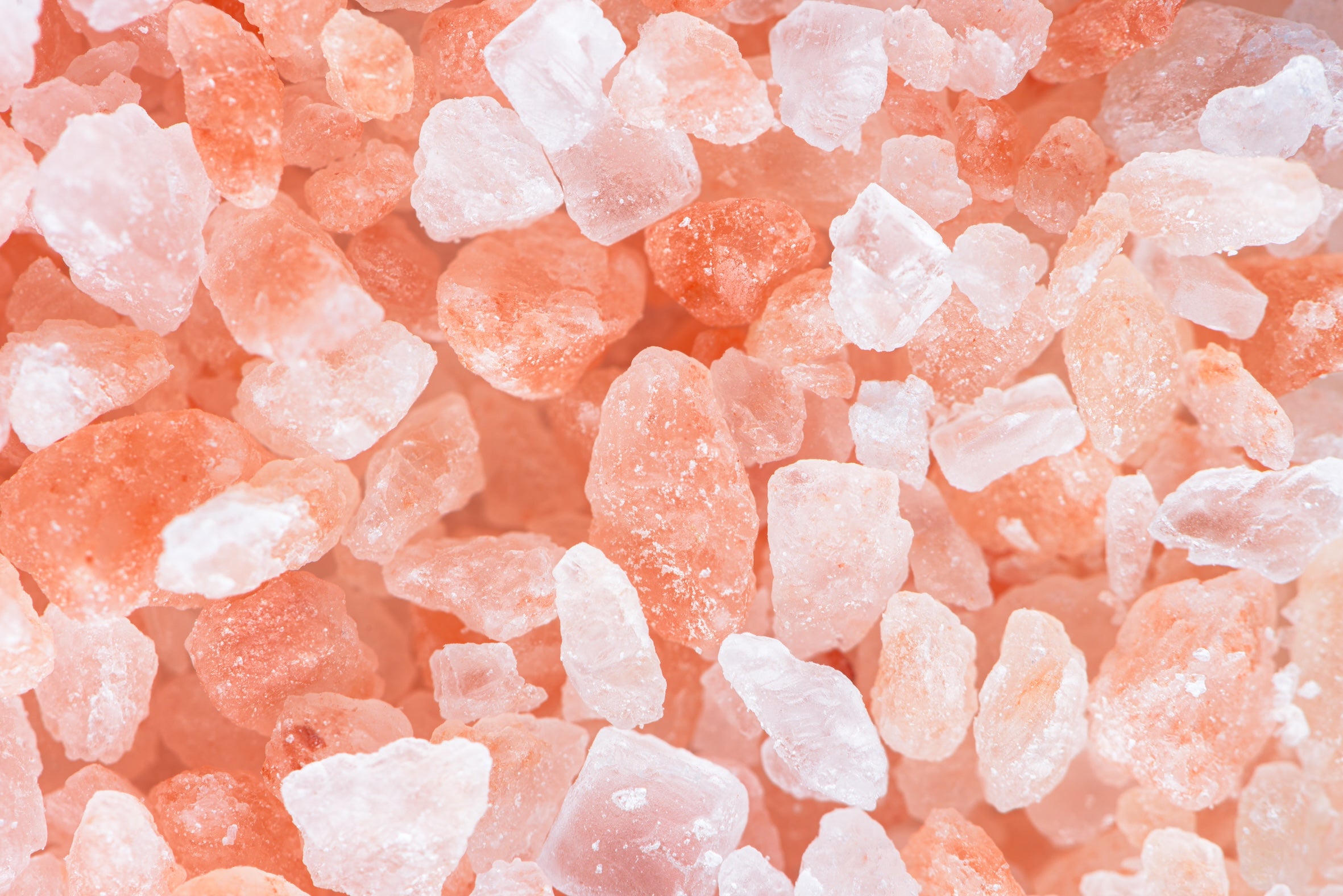
Sodium chloride readily dissociates into sodium and chloride ions, which are vital for maintaining fluid balance, nerve transmission, and muscle function. It acts as a primary replenisher for electrolytes lost through sweat, dehydration, or medical issues, preventing cramps and maintaining blood pressure.

Potassium Chloride rapidly replenish potassium levels, which are critical for maintaining fluid balance, regulating heart function, and enabling nerve and muscle signalling. As a primary intracellular electrolyte, it helps prevent or treat hypokalmia (low potassium), which can lead to life-threatening cardiac issues.

Calcium is critical alongside Vitamins D3 & K2 for bone health and optimal muscle activity, and other body processes such as blood clotting and heart function.

Vitamin D3 alongside K2 help the body to absorb Calcium which is an essential nutrient for bone health. Facilitating a healthy immune system function. Research has shown Vitamin D may improve mood and reduce anxiety.

Vitamin K2 is a fat soluble vitamin essential for blood clotting and healthy bones. Vitamin K reduces the risk of developing osteoporosis and heart disease through calcification of the arteries.

Magnesium citrate is used primarily for its high bioavailability and water solubility, allowing the body to quickly and efficiently absorb the magnesium to replenish levels after exertion. It plays a crucial role in muscle relaxation, nerve function, and preventing cramping, while being gentler on the digestive system than other forms.

Zinc is an essential nutrient found in a variety of plant and animal foods. Zinc Citrate is high bioavailability, superior solubility, and gentle nature on the stomach compared to other zinc forms. It aids in rehydration by helping the body retain water, supports immunity, and regulates acid-base balance.

Dicalcium Phosphate is widely used as a source of calcium and phosphorus, acting as an essential supplement and a nutritional, functional additive in food. It provides calcium and phosphorus, which are vital for bone development, muscle function, and energy metabolism.
Clinical Research Studies
Creatine Monohydrate is one of the most researched supplements.
Memory & Attention: A 2024 meta-analysis of 16 clinical trials found that creatine monohydrate significantly improves memory, attention time, and information processing speed, particularly in individuals aged 18–60 and those under high mental stress.
https://pubmed.ncbi.nlm.nih.gov/39070254/
https://pubmed.ncbi.nlm.nih.gov/40971619/
Alzheimer's Disease: Recent pilot studies (2025) indicate that 20g/day of creatine for eight weeks can increase brain creatine levels by 11% in Alzheimer's patients, leading to improved working memory, muscle strength, and size.
https://pmc.ncbi.nlm.nih.gov/articles/PMC11873458/
Depression Support: A 2025 review found that creatine is safe and better than a placebo in enhancing the efficacy of Cognitive Behavioural Therapy (CBT) for depressed individuals.
https://examine.com/research-feed/study/0Axz31/
Sleep Deprivation: High-dose acute supplementation has been shown to mitigate cognitive impairments caused by sleep deprivation, helping maintain focus and brain energy metabolism
Nutritional intervention combined calcium carbonate with D3 in the treatment of patients with osteoporosis can improve clinical efficacy, bone mineral density, and bone metabolism, which is conducive to the recovery of patients with osteoporosis and has the feasibility of clinical promotion.
Mood changes synchronised to the seasons exist on a continuum between individuals, with anxiety and depression increasing during the winter months. An extreme form of seasonality is manifested as the clinical syndrome of seasonal affective disorder (SAD) with carbohydrate craving, hypersomnia, lethargy, and changes in circadian rhythms also evident. It has been suggested that seasonality and the symptoms of SAD may be due to changing levels of vitamin D3, the hormone of sunlight, leading to changes in brain serotonin.
Vitamin K2 has an established biological function in blood coagulation and hemostasis and maintains general health and bone wellbeing. Vitamin K supplements have been promoted to treat and prevent many diseases, particularly for decreasing fracture risk in osteoporosis, a chronic condition described by weak bone tissue, and a high fracture risk following minor trauma. It affects older people from different races and ethnicity, mainly postmenopausal women.
A specific study on magnesium citrate (300 mg) that showed a trend toward fewer cramps and a significant improvement in participants' subjective assessment of treatment effectiveness compared to placebo.
https://pubmed.ncbi.nlm.nih.gov/12011773
A systematic review that found magnesium supplementation can reduce muscle soreness and improve recovery in physically active individuals, particularly when taken 2 hours before exercise.
Zinc deficiency adversely affects the growth and function of T and B cells. The ability of zinc to function as an anti-oxidant and stabilize membranes suggests that it has a role in the prevention of free radical-induced injury during inflammatory processes.
Boron has been proven to be an important trace mineral because it (1) is essential for the growth and maintenance of bone; (2) greatly improves wound healing; (3) beneficially impacts the body’s use of oestrogen, testosterone, and vitamin D; (4) boosts magnesium absorption plus much more.
Vitamin C is required for the biosynthesis of collagen, L-carnitine, and certain neurotransmitters; vitamin C is also involved in protein metabolism [1,2]. Collagen is an essential component of connective tissue, which plays a vital role in wound healing. Vitamin C is also an important physiological antioxidant [3] and has been shown to regenerate other antioxidants within the body, including alpha-tocopherol (vitamin E) [4]. Because vitamin C can limit the damaging effects of free radicals through its antioxidant activity, researchers are examining whether it might help prevent or delay the development of diseases in which oxidative stress plays a role, such as certain cancers and cardiovascular disease.
1. https://pubmed.ncbi.nlm.nih.gov/17884994
2. https://pubmed.ncbi.nlm.nih.gov/10357726
3. https://pubmed.ncbi.nlm.nih.gov/2762330
4. https://pubmed.ncbi.nlm.nih.gov/12134712
For many more research papers click here
Copper Citrate is recognised as an effective, highly bioavailable source of copper, often used as a nutritional supplement to address copper deficiency and support metabolic functions. Research indicates that cupric citrate provides benefits related to improved antioxidant defences and growth performance.
People with coeliac disease are prone to copper deficiency.
https://pubmed.ncbi.nlm.nih.gov/23609613/
Health Professionals Fact Sheet.
https://ods.od.nih.gov/factsheets/Copper-HealthProfessional/